Haere mai! Welcome to Mairtown Kindergarten's blog.

Nau Mai Haere mai. Welcome to Mairtown Kindergarten's blog.


21 Princes Street, Kensington, Whangarei, New Zealand

Phone: 09 437 2742

Email: mairtown@nka.org.nz

Thursday, 25 August 2022

Matariki 2022 at Mairtown Kindergarten


At Mairtown Kindergarten we love to celebrate Matariki (The Māori New Year) because it is such a special event in Māori culture and for our bicultural nation. As the twinkling stars of Matariki rise in the winter sky, this is a time for people to come together, to remember their ancestors, to share kai, sing and tell stories. This celebration reminds us of the cycle of life, and natural ways of marking the passage of time. It is certainly a ritual which is very much looked forward to and treasured by the whole community of Mairtown Kindergarten, warming our hearts as we come together, reflecting on the past and making plans for the future.

On Tuesday the 14th June we hosted our annual ‘Harvest Day’ at Mairtown Kindergarten. Whānau were invited to bring a gift from their garden or a home-made treat, along with a whakatauki or thought to nourish the receiver’s heart. We had such a lovely response, and it was evident that lots of joy and love was shared, given, and received throughout this day.


Harvest Day is all about ‘random acts of kindness’. The gifts were placed on our harvest table and at the end of the day tamariki and their whānau were able to choose something from the table to take home.

“The act of giving expands one’s entire life experience because nothing is more fulfilling than one’s capacity to give.”

(P. Rashad)


On Tuesday 21st June we hosted our annual Mairtown Kindergarten celebration, the last event of our Matariki festival events. Leading up to this much anticipated gathering, the tamariki prepared artwork that was displayed all over the kindergarten.


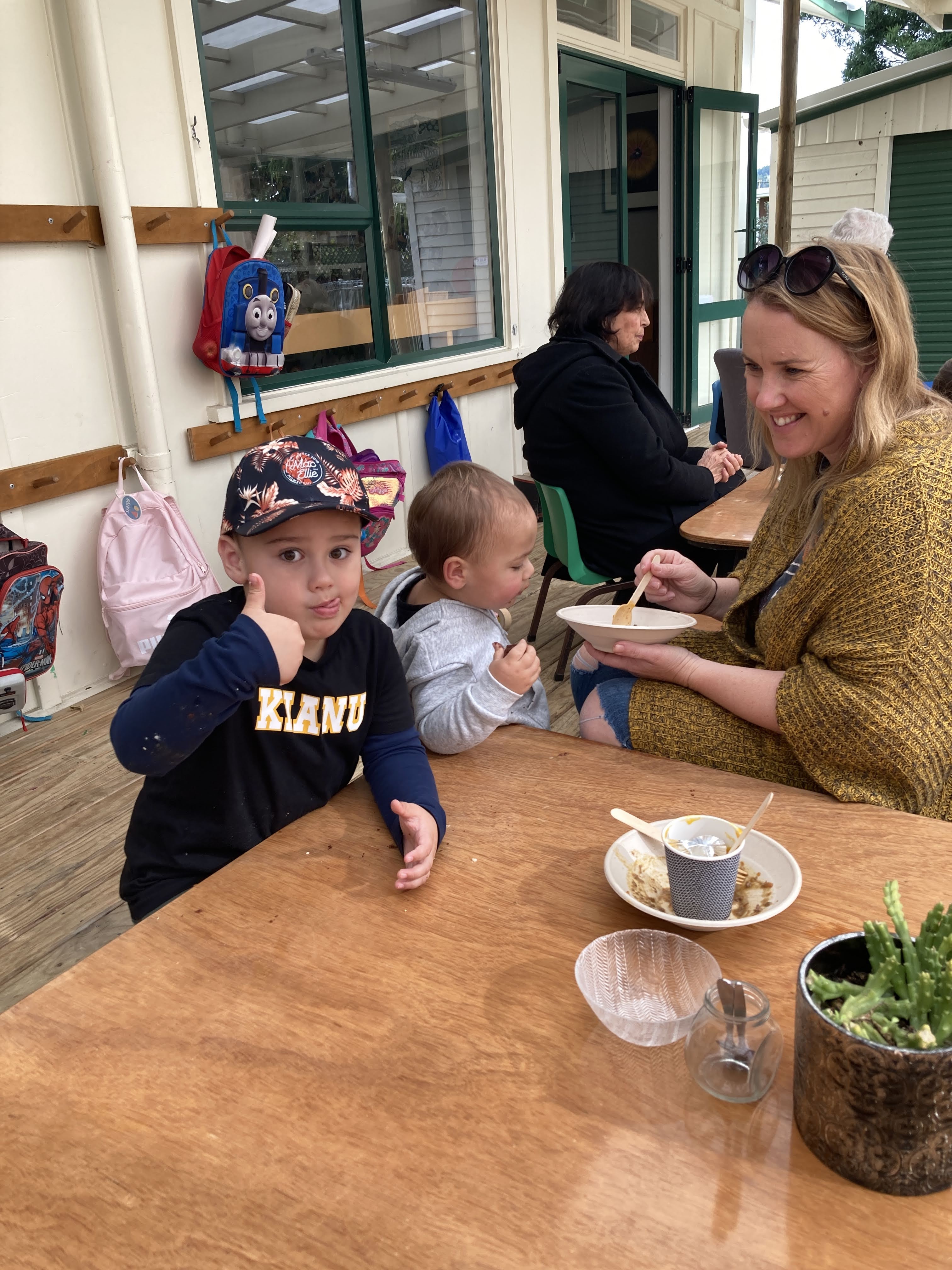
Together we planned what kai we would make. In past years we celebrated this event with a shared hāngī meal but due to the current Covid gathering restrictions we needed to come up with another option this year. We decided to move our shared feast to be an outdoor lunch, so whānau could come between 11.30 and 1pm to share hot soup, mince stew, seafood chowder and fried bread with anything chocolate for dessert!


‘Ngā kai a Matariki nāna i ao ake nei'

'Food that is scooped up by Matariki'

The above whakatauki speaks of when Matariki rises in the month of Pipiri and food is cooked and offered upon its appearance. Matariki is weak and cold from carrying out its annual duties, so at the time the constellation reappears in our skies Māori would prepare a celebratory hangi, releasing the steam to replenish its strength for the coming year.

We have had many discussions about what Matariki means and have gained information from pukapuka and by watching small videos together. One story that captured the interest of our tamariki was the purakau with tells of the earth mother Papatūānuku and sky father, Ranginui being separated by their children. This event led to the creation of life and also the constellation of Matariki. Another story that had been popular with our tamariki has been ‘The Seven Kites of Matariki’.

“What is Matariki?” – Tamariki began sharing their thoughts:

“It means you have to share food and you get to get your whānau” – Paulie


“Matariki stars the little ones, I saw some yesterday when it was dark, they were little ones”

– Aki

“The Matariki stars, they shine, and they twinkle and twinkle and twinkle too, and they sparkle, sparkle and they sparkle and sparkle” – Torin


“A cluster of stars” – Leo


“Stars” – Leia

We explored all the stars, Waitī, Waitā, Waipuna-ā-rangi, Tupu-ā-nuku, Tupu-ā-rangi, Ururangi, Pōhutukawa, Hiwai-te-rangi and Matariki, learning what each star represented, using our lovely resource 'The stars of Matariki', By Anne Bawden, adapted from the magnetic story by Teacher Talk. These were then used for inspiration for some of our artwork that was created and displayed.

Matariki hunga

Matariki ahunga nui

Matariki has many admirers,

Matariki brings us together. 

The day before our lunch, tamariki prepared the vegetables, together peeling, chopping, and smashing the pumpkins open (as we have done for many years) and harvesting our celery and kale from our own vegetable gardens at the kindergarten. Our worms also enjoyed all our kumara peelings once we had finished.


On Tuesday Kaiako got to work in the kitchen with the help of our professional practice manager Kim Townsend. Soup was put on, the mince stew was cooking and the fried bread frying. The kindergarten smelt amazing.

At 11.30am whānau began to arrive, and after a quick opening and mihi mo te kai, whānau and their tamariki made their way inside to choose their lunch, before sitting outside to share delicious kai and korero together. More whānau arrived throughout the afternoon and it was great to feel a sense of connection again after such a long time.


Lastly, we had our wishing tree, where tamariki were able to make a wish on a star, placing it the tree. This was inspired by Hiwa-i-te-rangi, the wishing star who grants the wishes of our heart, helping us to realise our dreams for the coming year. 


Ana, i te atapō tonu ka rewa ake a Matariki ka kitea mai, ā koirā te tohu o te tau hau.

Therefore, in the early morning when Matariki is seen rising, this is the sign of the new year.

Friday, 29 July 2022

Movement, Physical Development, and Risky Play


“Just like reading and writing, children have to learn how to move”.


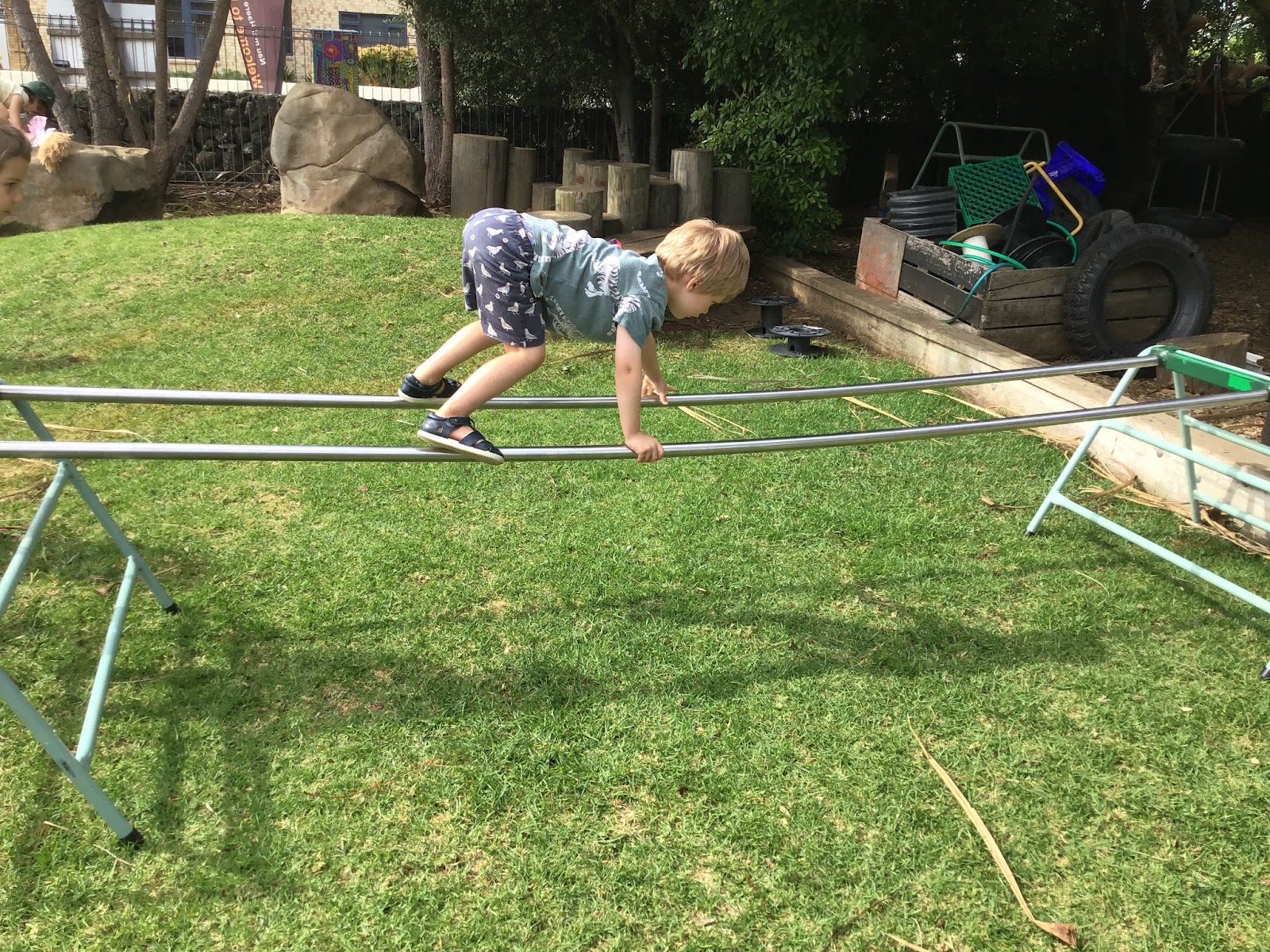
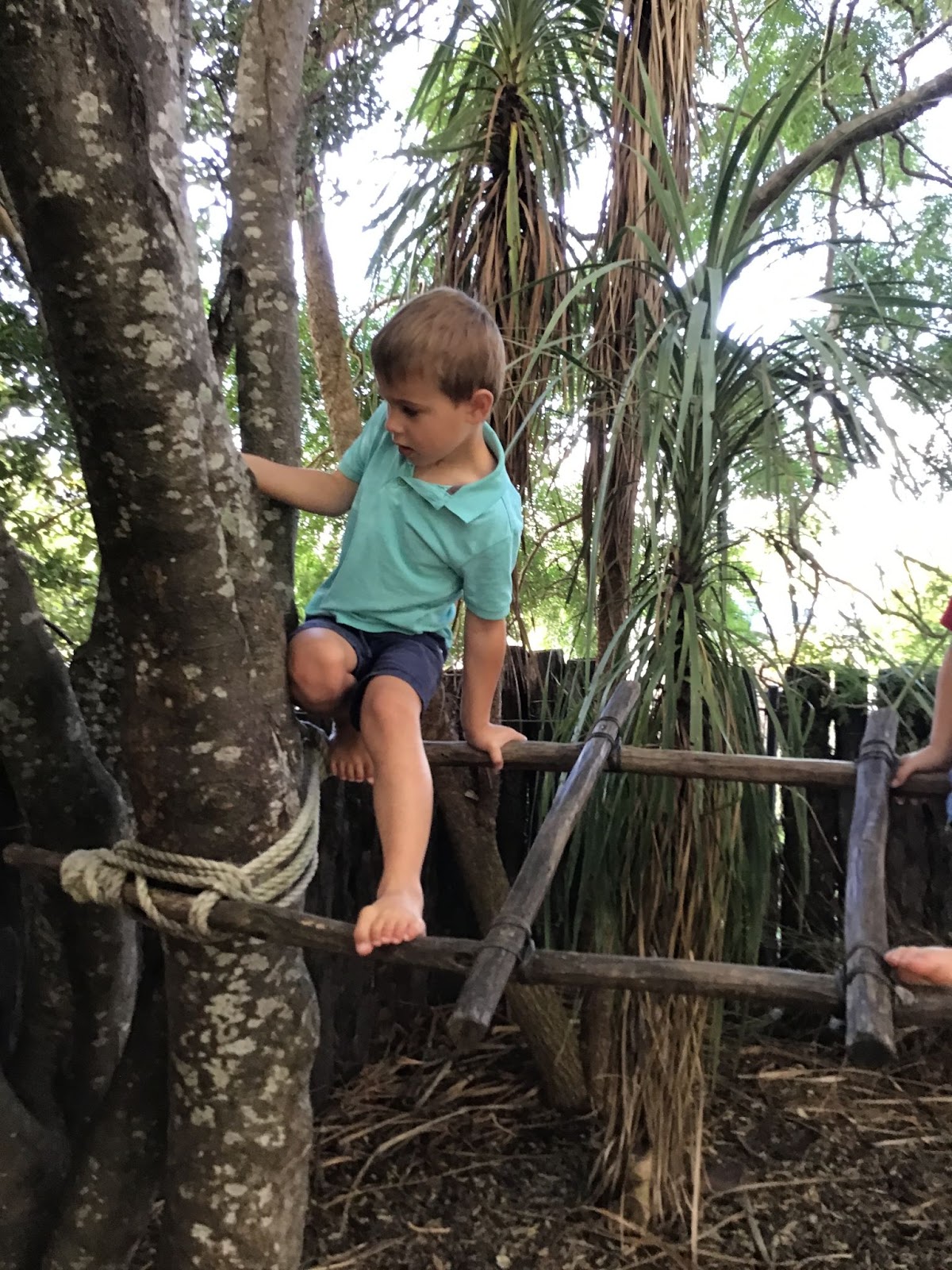
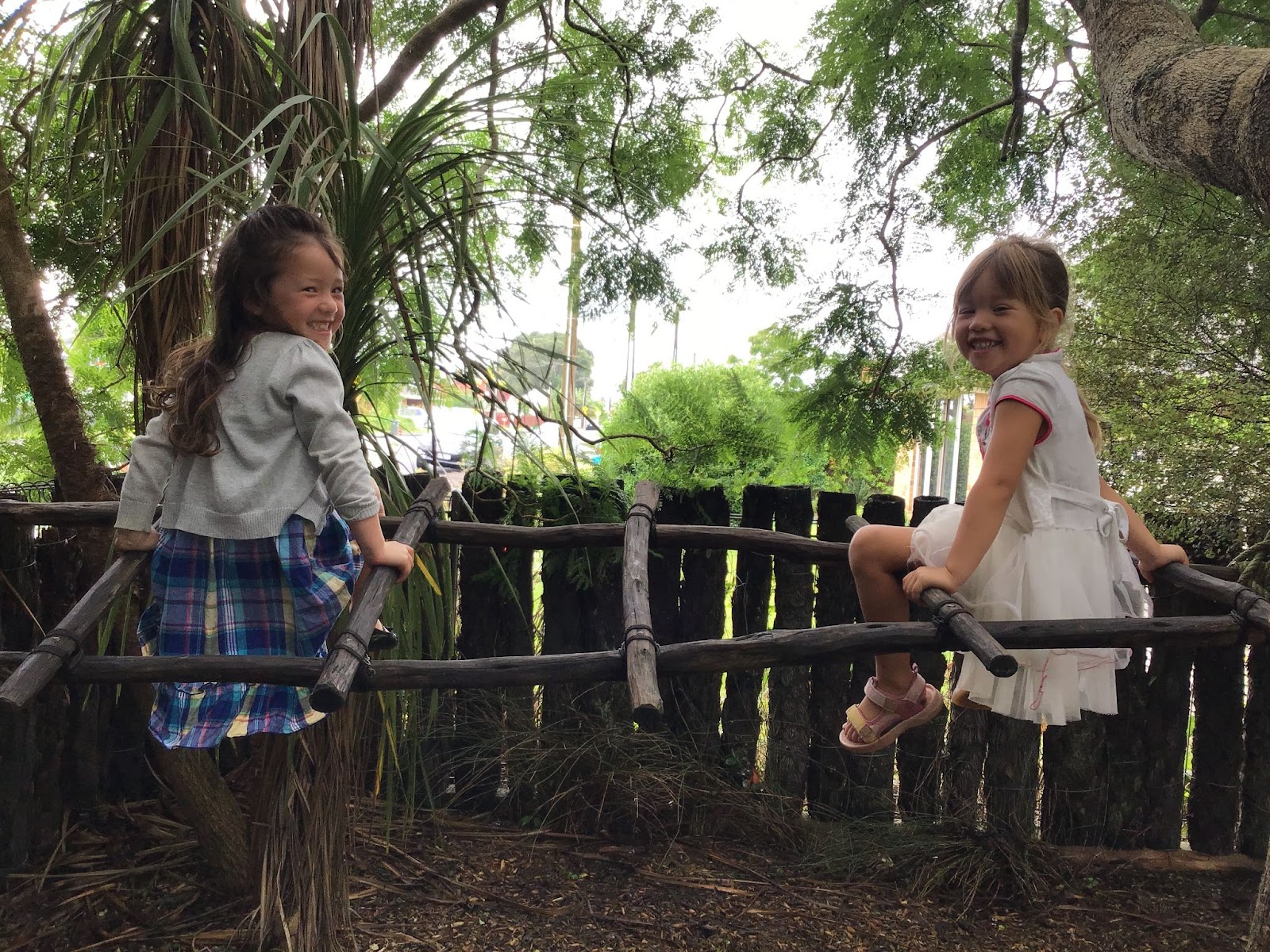
After reflecting on the learning taking place this term at Mairtown, a big interest is in physical play and risky play. Our children have enjoyed testing their physical capabilities, pushing their limits in what their bodies are capable of, and learning new skills. With the different ages, abilities, and skill levels within our kindergarten, this is an interest that has been expressed by many of our children in a range of different ways.


A good way to look at/set up an environment is to consider the following, sensory, balance, intuition, power, coordination, and control. Having an environment that supports all these will help children develop different skills, (Gill Connell).

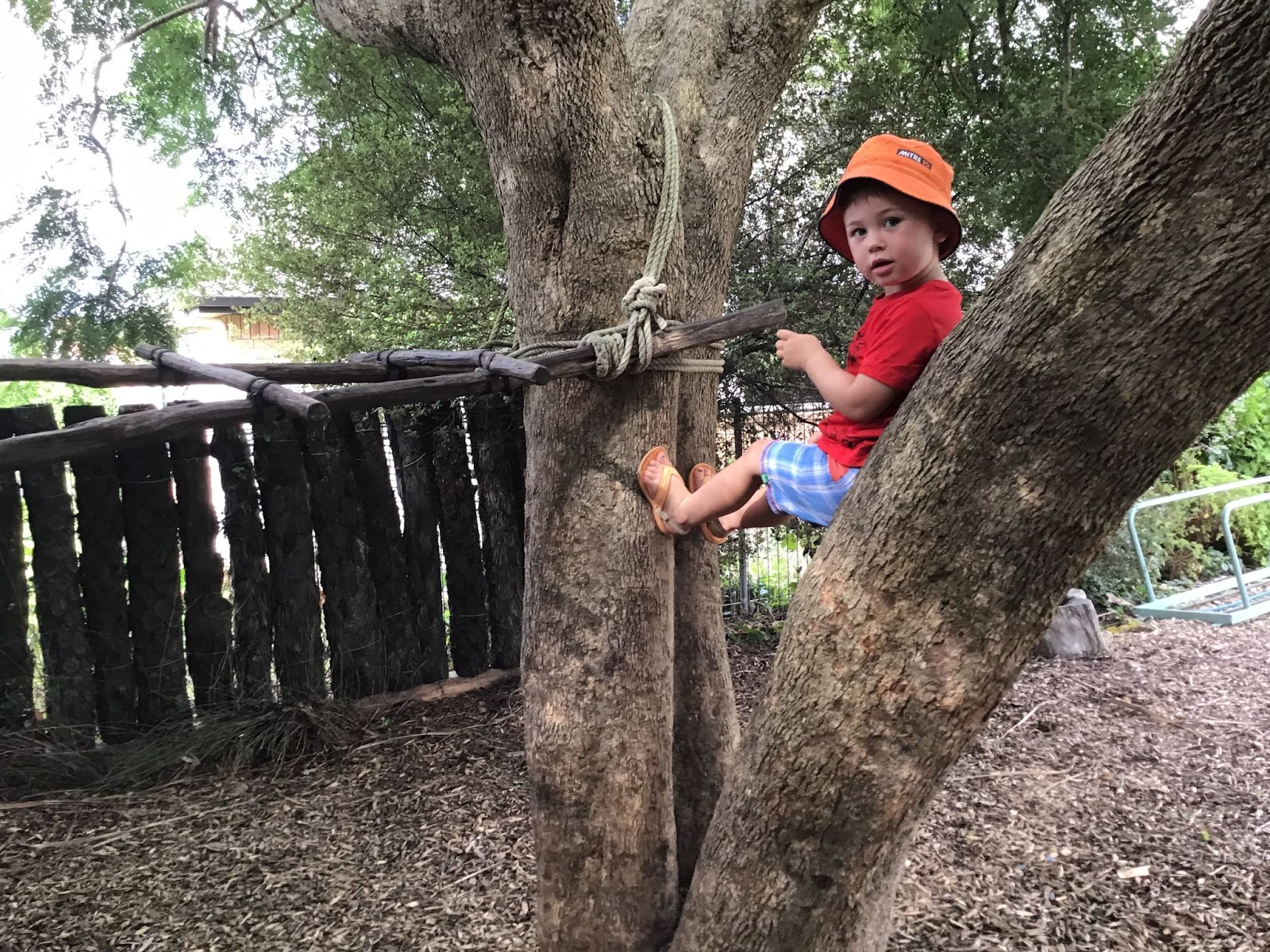
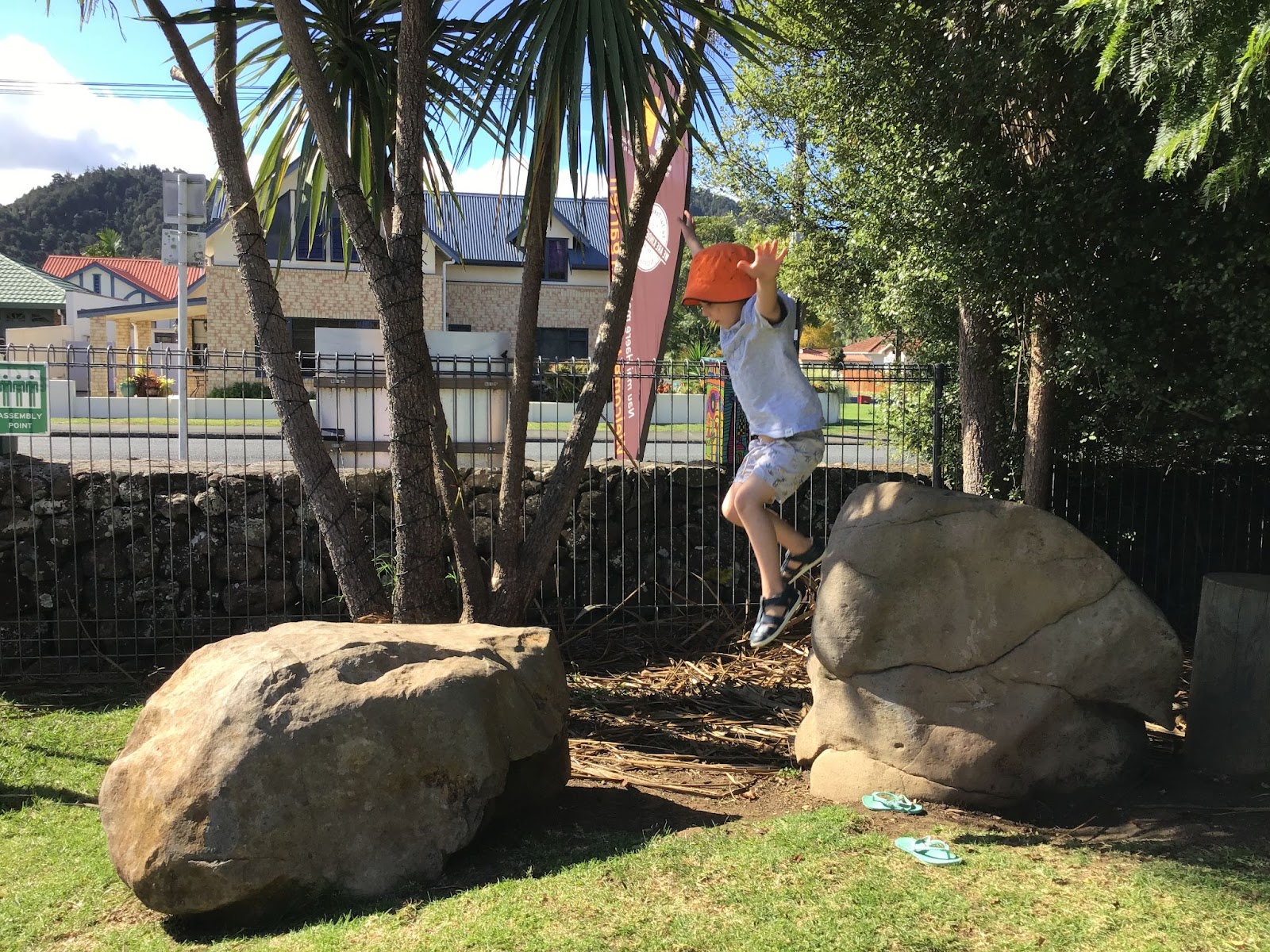
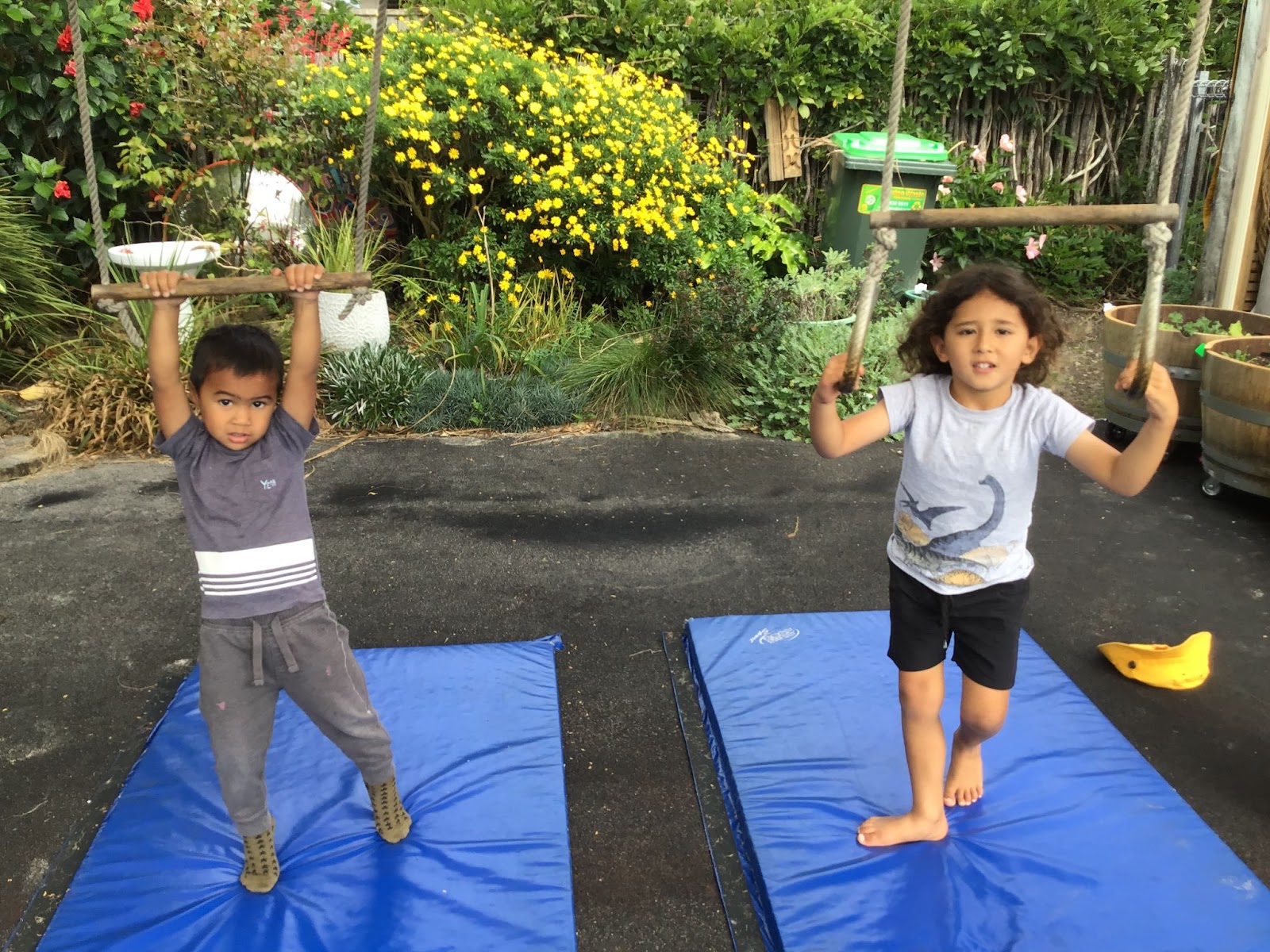
Physical play is an essential part of children's development as it is a vessel to acquire many different skills and abilities. This can be seen in many different forms from swinging on the monkey bars, jumping off the A-frames, hanging upside down on the flying fox, balancing on a tight rope, or running around playing tag. Our role as kaiako is to recognise what children can accomplish on their own and find ways to support children to extend what they can already do. “Kaiako appreciate the importance of children exploring and testing their physical abilities by engaging in adult-supported risk-taking play”, (Ministry of Education, 2017).


Physical play allows children to develop their gross motor and fine motor skills. The development of gross motor skills is bigger muscle movements. These are used for learning to crawl, stand, walk, run, jump, and climb. Developing gross motor skills is important for developing other skills such as balance and coordination. Once children have developed gross motor skills, they start developing fine motor skills, and smaller muscle movements. All this work supports them in learning to manipulate objects and develop hand-eye coordination. These skills help a child's ability to do more complex tasks such as writing or dressing themselves. An environment that supports physical play therefore enhances skills which will have lifelong benefits.

The increased motor competence and confidence that children gain through these experiences are likely to contribute to physical fitness and ongoing engagement in physical play, (Helen Little, 2019).


With physical play comes the element of risk. Risky play allows children to go beyond their limits and test and challenge what they can already do. They learn to use their bodies in new and challenging ways, but it is important to note that risky play for one child may be different for that of another child. It is important to know each child's individual physical capabilities in order to provide appropriate risk. This gives them opportunity to gain “Control over their bodies, including locomotor and movement skills, agility and balance, and the ability, coordination, and confidence to use their bodies to take risks and physical challenges”, (Ministry of Education, 2017).


Mairtown provides a beautiful outdoor environment that caters to a range of ages, abilities and interests, from our beginning children to those who are needing more challenge and risk. Slacklines are a great example of a resource that offers challenge for all ages. There are some children who are starting to engage in physical play who use the slackline to practice balance and coordination. Then there are children who are very confident in their physical capabilities who use the handles to hang upside down, do flips or balance with no hands.


A NO-RISK CHILDHOOD IS RISKY.

Risky play develops confidence, resilience, persistence, thinking, and reasoning skills. This will better equip children to manage challenging and risky situations both in childhood and later in life, but it is often tempting to limit access to risk-taking opportunities due to fear of potential injury, thus limiting experience in assessing and overcoming risks. Teachers' role in physical development and risky play is to provide opportunities that are challenging without being hazardous, allowing children the freedom to explore their own limits and test their own capabilities. Scaffolding the play experience supports children to achieve the goals they set for themselves.

Through conversations and decision making as a team, we have reflected on the physical abilities of the children in our kindergarten and have provided an environment that caters to all. This way we have evaluated any hazards and risks in our environments while ensuring it is challenging enough by supplying multiple resources to provide different challenges.

Ellen Beate Sandseter identifies six categories of risky play

-         Play with heights (where there is a risk of falling)

-         Play with high speed (situations of uncontrolled speed and pace potentially leading to a collision with people or objects)

-         Play with dangerous tools (Where there is a risk of injury)

-         Play near dangerous elements (involving the possibility of falling into or from something)

-         Rough and tumble play (where children can harm each other)

-         Play where children can hide or be out of sight of adults

Ministry of Education (2017) states that children will have, “knowledge about how to keep themselves safe from harm and the ability to take risks”.


John Marsden would argue that one of the best things we can do for our kids is to raise them to love the adventure of life. And by doing that, we will set them up to be successful adults - able to face problems head-on, find solutions, and show resilience in adversity.

Engaging in risky play allows children to explore limits, try new experiences and develop their capabilities, allowing children to push themselves to the limits of their capabilities. Taking an ‘I can do it’ attitude is an important characteristic for effective learners.

There are many benefits of physical and risky play and knowing what these benefits are can support kaiako to provide an environment that is challenging, extends learning, and encourages children to be more active while supporting children’s learning and development. Activities that allow them to come out of their comfort zone and try things, pushing the boundaries of what they are already able to do. 


“The more risks you allow children to take, the better they learn to take care of themselves”. - Roald Dahl


Nga mihi

Emily Dunn 


Translate